

How to read a freight quote, line by line
What each line on a freight quote means (THC, BAF, EEI, BL, clearance), what to check in the fine print and how to compare two quotes fairly.
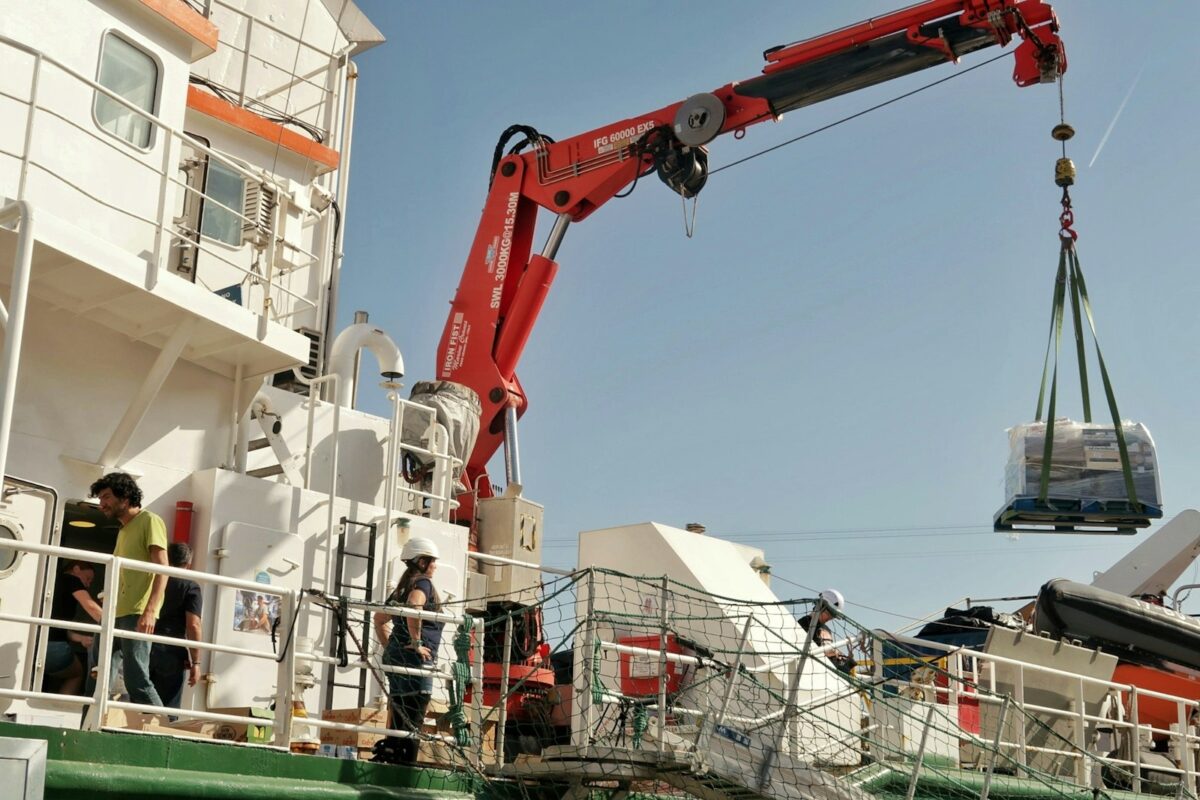
An Incoterm is a three-letter code on your purchase order that says how far the seller pays, where your costs begin, and the exact point where the risk of loss or damage passes to you. The current rules are the International Chamber of Commerce (ICC) Incoterms 2020. There are 11: seven work for any mode of transport and four are for sea and inland waterway only.
An Incoterm answers three questions about an international purchase:
What an Incoterm does not cover: the price, payment terms, when ownership passes to you, or what happens if either party breaches the contract. Those belong in the sales contract.
To work properly, an Incoterm needs three pieces: the rule, the exact place and the version. For example: "FCA seller's warehouse, Doral, Florida, Incoterms 2020". Writing just "FOB Miami" leaves open which terminal and which carrier, and that gap tends to get settled, at a cost, at the port.
Any mode of transport (ocean, air, ground or combined):
Sea and inland waterway only:
One detail causes a lot of trouble. FOB, CFR and CIF were designed for cargo loaded straight onto the vessel, such as breakbulk. With a container, the seller drops it at the terminal days before it is loaded and keeps carrying the risk with no control over the box. That is why the ICC recommends FCA, CPT or CIP for containerized cargo. FOB doesn't apply to air freight at all; the equivalent rule is FCA.
Quick guide
Incoterms® 2020: who covers each leg
Choose a rule to see whether the seller or the buyer takes on each part of the journey.
Any mode of transport
Sea and inland waterway only
EXW Ex Works
Any mode of transportRisk passes to the buyer: when the goods are placed at the buyer’s disposal at the seller’s premises, not loaded.
The seller does not load the goods or clear them for export: the buyer handles everything from the seller’s door.
FCA Free Carrier
Any mode of transportRisk passes to the buyer: when the goods are handed to the carrier named by the buyer at the agreed place.
This summary assumes delivery at the carrier’s terminal. If the agreed place is the seller’s premises, the seller loads the goods and the buyer pays the inland transport.
CPT Carriage Paid To
Any mode of transportRisk passes to the buyer: when the goods are handed to the first carrier, even though the seller pays the carriage.
The seller pays carriage to the agreed place of destination. If that place is the final address, the last leg is also the seller’s.
CIP Carriage and Insurance Paid To
Any mode of transportRisk passes to the buyer: when the goods are handed to the first carrier, even though the seller pays carriage and insurance.
The insurance must give broad cover (Institute Cargo Clauses A), unless the parties agree otherwise.
DAP Delivered at Place
Any mode of transportRisk passes to the buyer: when the goods are at the buyer’s disposal at the agreed place, ready for unloading.
The goods arrive ready for unloading: unloading and import clearance are the buyer’s.
DPU Delivered at Place Unloaded
Any mode of transportRisk passes to the buyer: when the goods have been unloaded at the agreed place.
The only rule in which the seller unloads at destination, so the place must be able to receive the goods.
DDP Delivered Duty Paid
Any mode of transportRisk passes to the buyer: when the goods are at the buyer’s disposal at the agreed place, cleared for import and ready for unloading.
The seller also clears the goods for import and pays duties and taxes. Unloading is the buyer’s.
FAS Free Alongside Ship
Sea and inland waterway onlyRisk passes to the buyer: when the goods are placed alongside the vessel at the port of shipment.
The seller leaves the goods alongside the vessel; loading them on board is the buyer’s.
FOB Free On Board
Sea and inland waterway onlyRisk passes to the buyer: when the goods are on board the vessel at the port of shipment.
Not meant for containers handed over at a terminal before loading: FCA fits that case better.
CFR Cost and Freight
Sea and inland waterway onlyRisk passes to the buyer: when the goods are on board the vessel at the port of shipment, even though the seller pays the freight.
Destination terminal charges are the buyer’s unless the seller’s contract of carriage already includes them.
CIF Cost, Insurance and Freight
Sea and inland waterway onlyRisk passes to the buyer: when the goods are on board the vessel at the port of shipment, even though the seller pays freight and insurance.
The minimum insurance cover is Institute Cargo Clauses C, unless the parties agree otherwise.
This is a guide for orientation only. What governs is your contract and the official text of the International Chamber of Commerce.
The table sums up the 11 rules. "Buyer" or "Seller" shows who is responsible for each item.
| Rule | Mode | Where risk passes to the buyer | Main freight | Mandatory insurance | Export clearance | Import clearance and duties |
|---|---|---|---|---|---|---|
| EXW | Any | At the seller's premises, not loaded | Buyer | No | Buyer | Buyer |
| FCA | Any | When handed to the buyer's carrier at the named place | Buyer | No | Seller | Buyer |
| CPT | Any | When handed to the first carrier at origin | Seller | No | Seller | Buyer |
| CIP | Any | When handed to the first carrier at origin | Seller | Yes, by the seller, broad cover (Clauses A) | Seller | Buyer |
| DAP | Any | At destination, on the arriving vehicle, ready for unloading | Seller | No | Seller | Buyer |
| DPU | Any | At destination, unloaded | Seller | No | Seller | Buyer |
| DDP | Any | At destination, on the arriving vehicle, ready for unloading | Seller | No | Seller | Seller |
| FAS | Sea | Alongside the vessel at the port of loading | Buyer | No | Seller | Buyer |
| FOB | Sea | On board the vessel at the port of loading | Buyer | No | Seller | Buyer |
| CFR | Sea | On board the vessel at the port of loading | Seller | No | Seller | Buyer |
| CIF | Sea | On board the vessel at the port of loading | Seller | Yes, by the seller, minimum cover (Clauses C) | Seller | Buyer |
Under CIF and CIP, the insurance must cover at least 110% of the contract value.
This is the most common mix-up. Under the four "C" rules (CPT, CIP, CFR and CIF), the seller pays freight all the way to destination, but the risk passes to you at origin, when the cargo is handed to the carrier or loaded on board.
In practice, if you buy CIF port of Aruba and the container is damaged at sea, the claim is yours, even though the seller paid the freight. That is what the insurance the seller buys in your favor is for. Check what it covers: CIF only requires minimum cover, which leaves out many common types of damage. If your goods are fragile or high-value, ask for broad cover in the contract or buy supplementary insurance.
Bring them to the same point on the route before comparing prices. Here is an example.
Say a hotel in Aruba is buying kitchen equipment and gets two quotes from Miami suppliers:
At first glance, supplier 1 is USD 3,200 cheaper. To compare fairly, add to the EXW price everything supplier 2 already covers up to the port of Aruba. Assume these costs for a 20-foot container:
That adds USD 3,720 to the EXW quote. Delivered to the port of Aruba, offer 1 costs USD 43,720, which is USD 520 more than the CIF offer.
Two checks before deciding:
Yes, if both parties agree and write it into the contract. That is why the version should always appear next to the rule.
It depends on how much control you want over transport. With FCA or FOB you choose the forwarder and know your destination costs up front; with DAP the seller arranges almost everything and you only handle the import. For contract wording, check with your legal advisor.
No. Each country's law sets the basis, and in some countries it includes freight and insurance even when the agreed Incoterm is FOB or EXW. Ask your customs broker how it works in your country before comparing quotes.
If you have supplier quotes on different Incoterms and want to compare them at the same point, send them over and we'll help you line them up.
What each line on a freight quote means (THC, BAF, EEI, BL, clearance), what to check in the fine print and how to compare two quotes fairly.
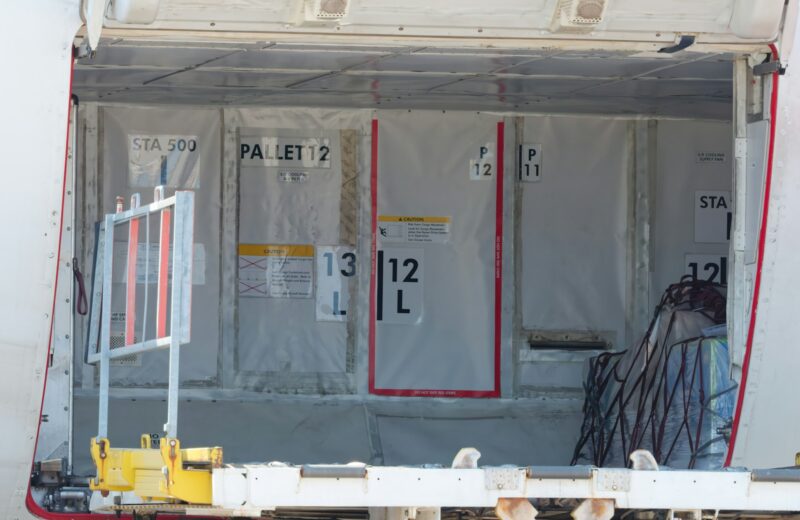
How air freight chargeable weight works: actual weight, volumetric weight with the IATA 6,000 divisor, and a worked Miami to Bogotá example.
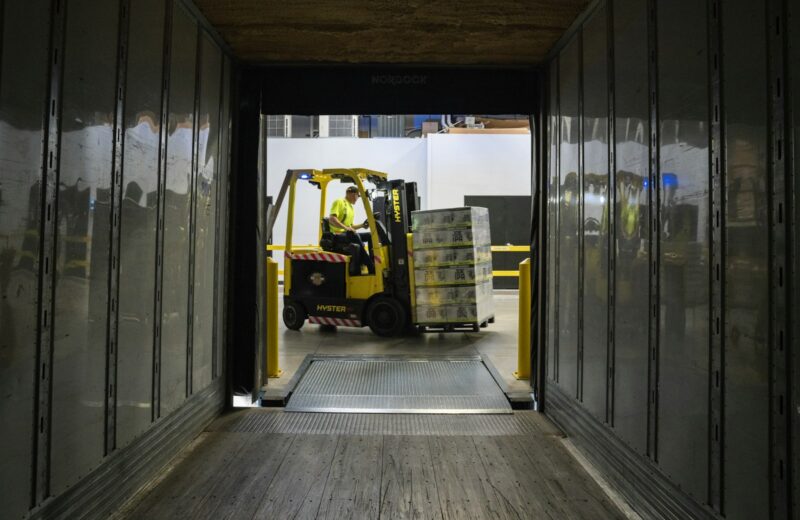
When a full container (FCL) beats consolidated cargo (LCL), how much fits in a 20' and a 40', and how to work out the break-even point for your lane.
Tell us about your shipments and our logistics experts will get in touch as soon as possible.