

How to read a freight quote, line by line
What each line on a freight quote means (THC, BAF, EEI, BL, clearance), what to check in the fine print and how to compare two quotes fairly.
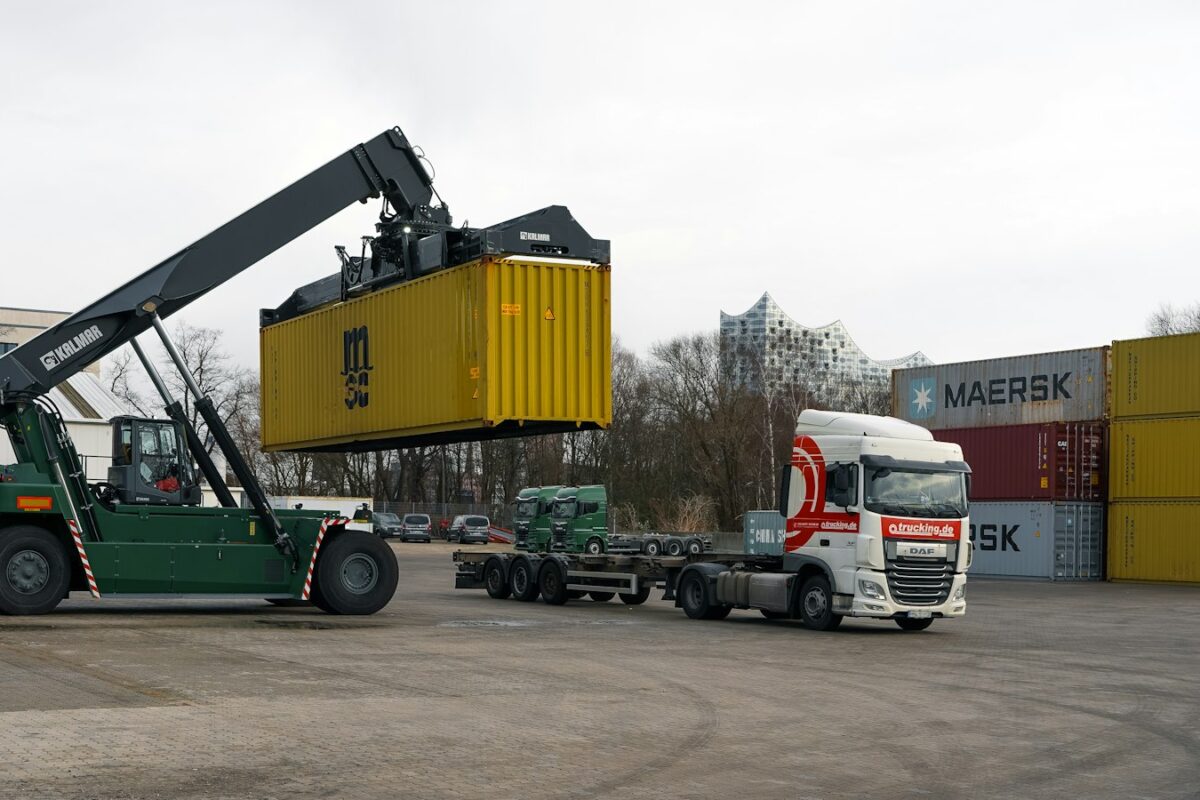
The ocean carrier moves your cargo from one port to another. The customs broker files your goods with the authorities in each country. The freight forwarder plans the whole route and coordinates everyone else, so you deal with one contact even when five or six companies touch your shipment.
A freight forwarder plans and manages the movement of your goods from where they are to where you need them. Most forwarders don't own ships or planes. They buy space from ocean carriers and airlines, book trucks and warehouse space, and pull together the paperwork each leg requires.
Day to day, a forwarder will:
Some forwarders issue their own bill of lading, called a house bill of lading (a house air waybill for air cargo), on top of the one the carrier issues to the forwarder, called the master bill. What matters to you is knowing which document you will receive and who answers to you on each leg.
The ocean carrier, or shipping line, operates the vessels and moves containers between ports. For air cargo, the airline plays that role. The carrier issues the bill of lading (BL), which is both the contract of carriage and the receipt for the cargo. Depending on the type of BL, it can also be the document you need to release the cargo at destination.
What a carrier usually won't do for a mid-sized importer: pick up goods at the supplier's plant, combine boxes from three different vendors, check that the commercial invoice matches the packing list, or handle the import filing in your country. Carriers work directly with high-volume shippers. Most other businesses reach them through a forwarder.
A customs broker is a person or company licensed by a country's customs authority to file entries on behalf of importers or exporters. The work is technical and carries legal weight:
Each country requires its own licensed broker. The broker who clears your cargo in Aruba is a different party from whoever handles the export filing in Miami, so an international shipment usually involves one filing at origin and another at destination.
If you are unsure about a product code or a permit, ask the customs broker in the destination country before the cargo ships, while there is still time to fix it.
| Task | Ocean carrier or airline | Freight forwarder | Customs broker |
|---|---|---|---|
| Move the cargo between ports or airports | Yes | Books and coordinates it | No |
| Recommend route and mode (full container, consolidated, air) | No | Yes | No |
| Pick up at the supplier's plant | Only under special agreements | Yes, with own or contracted trucks | No |
| Consolidate cargo from several suppliers | No | Yes | No |
| Issue the BL or air waybill | Yes, the master | May issue the house | No |
| Classify goods and file the customs entry | No | Coordinates it; in some countries also files | Yes |
| Calculate duties and taxes | No | No | Yes |
| Arrange cargo insurance | No | Yes, if you ask for it | No |
| Be your contact from start to finish | No | Yes | No |
Diagram
Who does what in a door-to-door shipment
The freight forwarder coordinates every step, from the supplier to the final delivery.
Say a hotel in Aruba is planning a renovation and buys from three Florida suppliers:
That adds up to 18 pallets and 17.5 m³.
Without a forwarder, the hotel would have to hire and pay separately for three pickup trucks, a Miami warehouse to hold the goods, the ocean carrier, the U.S. export filing, a customs broker in Aruba and a delivery truck. That is 8 service providers and 8 invoices. If the Tampa supplier runs four days late, the hotel has to reschedule the warehouse, the carrier booking and the delivery.
With a forwarder, the hotel has 1 contact. The three suppliers drop off at the Miami warehouse on different days, for example day 1, day 3 and day 7. The forwarder receives, counts and measures each delivery, flags anything that doesn't match the invoice, and books the space so the cargo ships together.
At 17.5 m³, the cargo fits comfortably in a 20-foot container (roughly 33 m³ inside). Whether a full container or consolidated cargo makes more sense depends on current rates.
The paperwork adds up too: 3 commercial invoices and 3 packing lists (one per supplier), the Electronic Export Information (EEI) filing when any product exceeds USD 2,500 per Schedule B number or needs a license, the BL and the import entry in Aruba. That is at least 8 documents someone has to check against each other.
Going straight to the carrier makes sense if you ship many full containers on the same lane, have in-house logistics staff to manage trucking and customs, and can negotiate volume contracts.
If you buy from several suppliers, your cargo doesn't fill a container, or your shipments are irregular, a forwarder is usually the more practical choice: it handles the coordination between companies that have never worked together.
It depends on the contract and the transport document issued. Carrier liability is capped by international conventions and is usually calculated per kilo or per package, not on the value of the goods. That is why separate cargo insurance is worth considering.
Yes, in most cases. Tell your forwarder before the cargo ships so the arrival notice and documents reach your broker in time.
The importer does. The customs broker calculates and pays them, and in some cases the forwarder advances them on the client's behalf if that was agreed before shipping.
If you are planning a purchase from several U.S. suppliers and want to sort out who should handle each leg, send us a note and we'll go through it with you.
What each line on a freight quote means (THC, BAF, EEI, BL, clearance), what to check in the fine print and how to compare two quotes fairly.
How air freight chargeable weight works: actual weight, volumetric weight with the IATA 6,000 divisor, and a worked Miami to Bogotá example.
When a full container (FCL) beats consolidated cargo (LCL), how much fits in a 20' and a 40', and how to work out the break-even point for your lane.
Tell us about your shipments and our logistics experts will get in touch as soon as possible.